Top Signs Your iPhone Needs Repair: Stop Ignoring These Red Flags!
Many iPhone users overlook understated signs that indicate their device may require repair. Issues like a damaged display, rapid battery drain, or connectivity problems can often be overlooked. However, these warning signals can lead to more significant complications if not handled in a timely manner. Understanding the implications of these signs is essential. The following sections will detail key indicators that should not be overlooked, urging users to examine their devices more carefully.
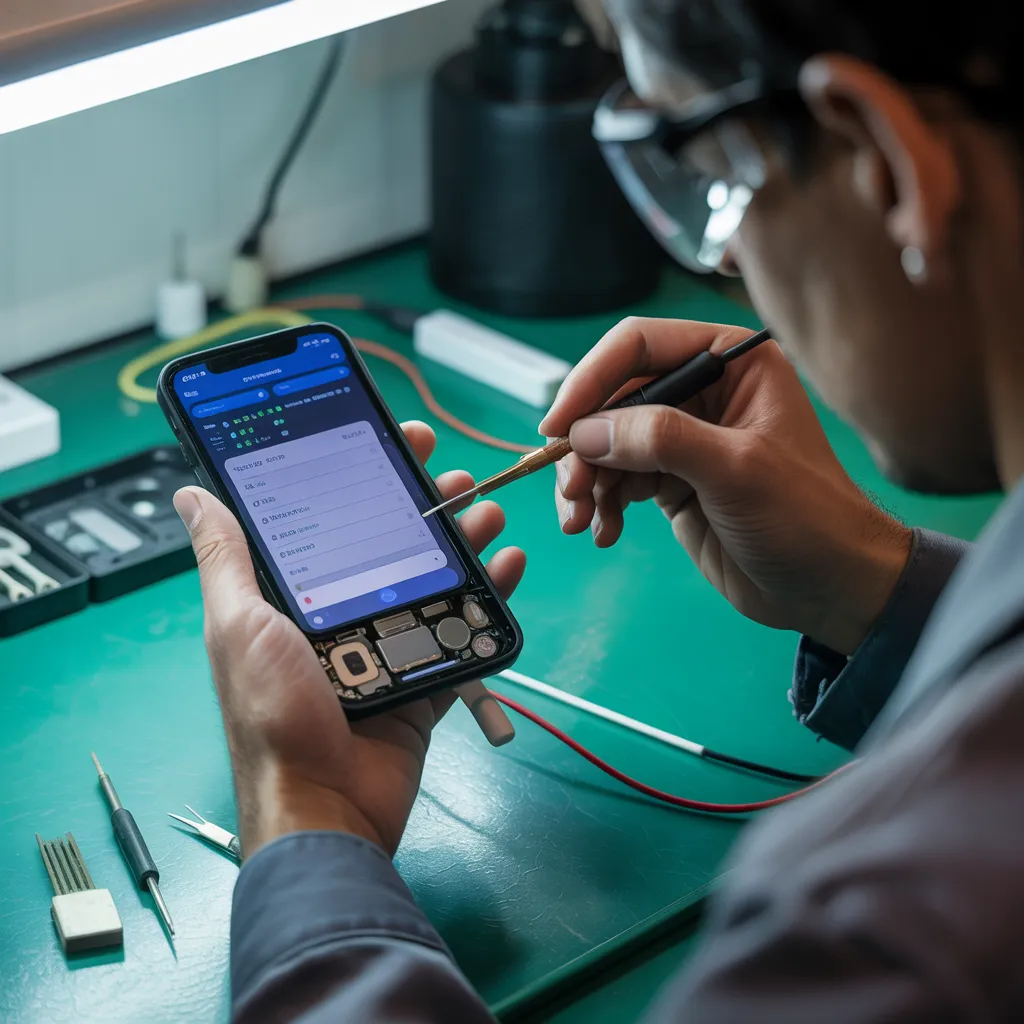
Warning Signs of a Cracked or Damaged Screen
How does one know if their iPhone screen is cracked or damaged? A few key indicators can help identify the issue. For starters, visible cracks or chips on the screen surface are telltale signs of damage. Even minor cracks can worsen over time, leading to additional complications. Additionally, if the touchscreen becomes unresponsive or exhibits erratic behavior, it may indicate internal damage beneath the glass. Distorted colors or flickering images can also suggest that the screen is compromised. In addition, users might notice a separation between the glass and the display, which can affect the phone's overall functionality. If the device has undergone a drop or impact, it's prudent to check the screen thoroughly for concealed damage. Recognizing these signs early can prevent further issues and guarantee the device remains functional. Taking immediate action may be essential to avoid costly repairs later on.
Frequent Battery Problems for iPhone Repair
Battery problems are a frequent issue for iPhone users, frequently appearing as accelerated battery drain, overheating while in use, or erratic charging behavior. These symptoms can considerably impact device performance and overall user experience. Addressing these problems promptly can help prevent further damage and guarantee the longevity of the device.
Excessive Battery Drainage
When users notice their iPhone losing charge fast, it often indicates fundamental battery concerns that demand prompt action. This phenomenon can result from multiple causes, including deteriorating batteries, heavy background application usage, or software glitches. An aging battery struggles to retain its charge, leading to faster discharge. Furthermore, certain applications may deplete battery life more intensely, especially if they operate persistently in the background. Users should also consider newly installed software updates, which can sometimes affect battery performance. If the rapid battery drain continues after attempting fixes, it is recommended to contact qualified repair specialists. Disregarding these warning indicators may result in more serious damage, making swift professional assistance critical to preserving the device's functionality.
Device Overheating During Operation
Excessive heat during operation frequently signals serious battery problems that require immediate attention. When an iPhone experiences excessive heat, it can be a sign of a failing battery or internal components struggling to function effectively. High temperatures can lead to performance throttling, reducing the device's efficiency and lifespan. Individuals may experience discomfort when holding the device, particularly during resource-intensive activities such as gaming or streaming video. Continuous overheating may also result in unexpected shutdowns, further disrupting usability. It is essential for users to remain alert; disregarding these warning signs could result in permanent damage. If an iPhone consistently overheats, seeking professional repair services is advisable to guarantee the device remains safe and functional. Tackling battery-related concerns without delay can effectively prevent more significant problems from developing over time.
Erratic Charging Behavior
What are the ways users can tell if their iPhone has inconsistent charging issues? Common signs include the device charging intermittently, requiring multiple attempts to establish a connection, or not charging at all despite being plugged in. Users may also notice that the charging indicator fluctuates between showing a charging symbol and a disconnected icon. Moreover, if the battery percentage drops without warning or struggles to reach a full charge, this may suggest a more significant concern. Tangible signs, including a deteriorated charging port or worn-out cables, can further compound the problem. Ignoring these symptoms can lead to more significant battery or hardware issues, making it essential for users to seek professional repair services if they observe such inconsistencies.
Resolving an Unresponsive Touchscreen Issue
A non-responsive touchscreen can be extremely aggravating, disrupting the seamless user experience that iPhone users expect. When encountering this challenge, users ought to initially perform a quick restart. This commonly addresses minor problems influencing the touchscreen's responsiveness. If the issue continues, looking for software updates is recommended, as Apple frequently releases patches to fix bugs.
Furthermore, taking off any screen protector or case that could affect touch sensitivity is a helpful measure. Users should also inspect the screen for damage, as cracks or chips can hinder responsiveness. Sometimes a factory reset could be the solution, but it is essential for users to back up their data prior to proceeding in order to avoid losing important information.
Should these troubleshooting steps prove unsuccessful, turning to professional repair services may be the ideal solution. Ignoring an unresponsive touchscreen can lead to further complications, which can ultimately impact device functionality and efficiency.
Wi-Fi and Bluetooth Network Problems
Individuals can face additional issues aside from a non-responsive touch display, such as Wi-Fi and Bluetooth pairing difficulties. These issues manifest when the gadget fails to connect to networks or peripherals, causing inconvenience Whitening for Sensitive Teeth and interruption. As an example, people could experience inconsistent connectivity, reduced data speeds, or an inability to locate available networks.
In certain situations, the iPhone might suddenly disconnect from Bluetooth or Wi-Fi devices, hindering functionality. This may suggest software conflicts or underlying hardware problems.
Moreover, persistent problems despite resetting network settings or toggling airplane mode point to a more significant problem that deserves prompt attention. Users should also observe whether the problem is isolated to specific locations or devices, as doing so can assist in determining the origin of the issue. Failing to address these connectivity concerns could cause more serious complications to arise, making it crucial to conduct a timely diagnosis in order to preserve optimal device performance.
When to Obtain Help for Software Glitches
When is it time to seek professional help for software glitches on an iPhone? Users should consider consulting a technician when they encounter ongoing problems that simple troubleshooting methods cannot address. Indicators can include constant application crashes, unresponsive screens, or problems updating the device's operating system. Should the device display abnormal behavior, such as random restarts or significant performance slowdowns, this could indicate more serious underlying software issues that call for the assistance of a qualified technician.
Additionally, should the iPhone present error messages that are challenging to interpret or if it becomes trapped in a boot loop, seeking help right away is recommended. Overlooking these indicators can cause more severe complications, which may put your data at risk. Even though some problems could be corrected with resets or updates, ongoing or critical faults imply that a thorough professional review is essential to restore functionality and guarantee the device operates smoothly. Taking swift action can prevent additional problems and prolong the device's life.
How to Address iPhone Overheating
Resolving iPhone overheating problems demands a structured method to pinpoint and address the root causes. Initially, users should examine any demanding apps that may be running behind the scenes. Closing these apps can help reduce the device's workload. Additionally, ensuring that the software is up-to-date is essential, since updates frequently incorporate performance enhancements and error corrections.
Additionally, it is important to consider the environment of the device. Keep the iPhone away from direct sunlight and hot locations, as extreme temperatures are known to aggravate overheating. The way you charge your device also plays a role; using non-certified chargers can lead to overheating, so opting for genuine Apple accessories is the best course of action.
Lastly , should overheating continue despite these steps , resetting the device or contacting professional repair services is highly recommended . Overlooking ongoing overheating issues may result in hardware deterioration over time , which makes timely action essential for prolonging device lifespan .
Red Flags: Strange Sounds or Notifications
Many iPhone owners could encounter unusual sounds or notifications that serve as red flags indicating potential issues. These disturbances can present themselves as unexpected beeping, static noises during calls, or persistent alerts that are inconsistent with normal usage. Such sounds often suggest hardware problems, like microphone or speaker irregularities, which require immediate attention.
Furthermore, pop-ups that occur irregularly or seem unconnected to any existing programs can indicate deeper software issues. To illustrate, persistent crash reports or unexpected warning signals can point to corrupted data or required system upgrades. Ignoring these signs can lead to more significant problems down the line.
Popular Questions We Receive
What Is the Typical Cost of iPhone Repair?
iPhone repair expenses generally fall from $50 to $600, varying by the problem and device model. Standard repair services, like screen replacements, generally range between $100 and $300, while more advanced repairs may lead to increased charges.
Can I Handle My iPhone Repair Myself?
Although certain iPhone problems can be resolved through DIY approaches, many repairs require specialized tools and expertise. Trying to perform complicated repairs could result in additional damage or nullify warranties, making expert assistance typically the more reliable decision.
How Long Does Repair Usually Take?
Service times for an Apple iPhone generally fall between one to three hours, based on the problem and service location. Advanced repairs might extend beyond this timeframe, especially if components require ordering or replacement.
Can Repairing My iPhone Void the Warranty?
Repairing an iPhone can void the manufacturer's warranty if unapproved service providers perform the repairs. Nevertheless, work carried out by certified technicians usually keep intact the warranty protection. Users ought to review warranty terms before undertaking any service work to confirm the warranty stays valid.
What Should I Do Before Sending My iPhone for Repair?
Prior to submitting an iPhone for repair, one should save a data backup, erase personal details, deactivate passcodes, and record any current damage. Ensuring a clean device can facilitate a smoother repair process and safeguard personal data.